Gillian Anderson: there are so many taboos around discussing bodies and menopause
Gillian Anderson is one of those women whom I find to be just too cool for school. I’ve had a girl crush on her since my very first episode of The X-Files in 1998. I think she’s a fantastic actress, has great style, and an empowered attitude. I guess what I’m trying to say is I love her vibe. During the pandemic, Gillian realized that she was drinking too many sugary, caffeinated drinks and decided to found her own brand of natural soft drinks called G Spot. At a recent event in which G Spot partnered with the Wellbeing of Women charity, Gillian did an interview with Hello! Magazine to talk about female empowerment and the taboo around women’s health. If you didn’t know, Gillan co-write a book in 2017 called We: A Manifesto For Women Everywhere and spoke in interviews about her experience with perimenopause.
Gillian Anderson is feeling powerful. “I am,” she agrees. “It’s interesting because I feel like I’ve learned a lot from the characters that I’ve played over the years.”
From Special Agent Dana Scully in The X-Files to Stella Gibson in The Fall, Gillian has played a long list of empowered women. Now, the 55-year-old star wants the women who have loved her characters to feel like they can feel powerful too.
“I think women can be incredibly powerful. I want other women of all ages, who have looked up to the characters that I’ve played, to explore what it is about those characters that they actually want, and whether they can embrace some of those attributes that already exist in them. Hopefully then they can own them more.”
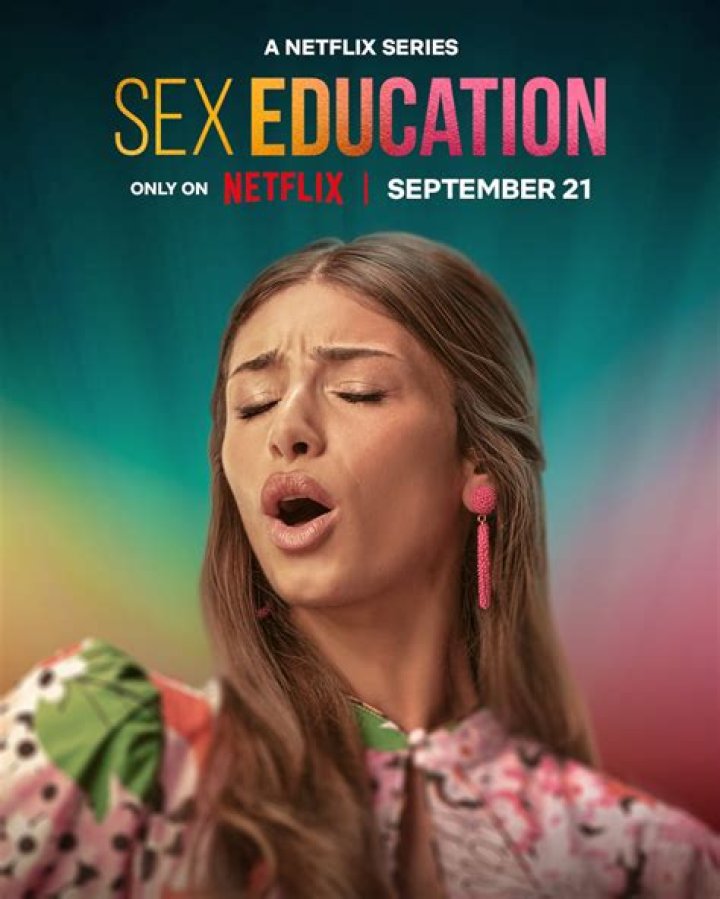
This mission to empower women is something that’s been partly driven by one of Gillian’s most recent roles as Dr Jean Milburn in Sex Education. “Women centric issues have always been important to me but since doing Sex Education, women’s health has been a topic that has been brought to me quite a lot.”
“There are so many taboos, oddly, even in 2023, that are still around discussion about women’s bodies, about sex, about menopause.” It’s why the award-winning actress cares so much about the kind of sex education that children are receiving in school.
“A good percentage of youth out there aren’t really aren’t getting messaging that is helpful and useful for them in terms of what protection to use.” Gillian has even observed that it isn’t always taught that the different developmental stages that girls and boys go through are all completely okay.
“There shouldn’t be shame around it or judgement, it’s always going to be icky. So why not be brave and have those conversations?”
Even menopause, a significant stage currently experienced by approximately a third of the UK’s female population, is still a taboo topic. Earlier this year UCL discovered that a staggering 90% of postmenopausal women were never taught about the menopause at school. In fact, over 60% only started looking for information about it once their symptoms had started. Gillian has similarly found that many women simply aren’t informed about menopause.
“I’m constantly struck by how many women of my age and younger know very little about menopause. It’s just such a peculiar thing that in this day and age there isn’t more out there that is accessible to women from a very young age.”
“But also to young boys about what the other half of the population is going to be going through. It may end up affecting them as well in one way or another because they have sisters and mothers. And we actually have partners that may or may not be women.”
Honestly, I couldn’t help but read Gillian’s quotes in character as Dr. Jean from Sex Education. But she’s right, though. There are so many taboos, lack of education, misconceptions, false information, and shaming that goes on when it comes to talking about women’s bodies, especially our reproductive health. Just think about how many men and women over the past 18 months have had their eyes opened up about abortion being healthcare. These stigmas also help perpetuate misogynistic sentiments throughout society, such as women being too emotional, irrational or promiscuous.
I once had a discussion with someone who firmly believes that any talk about bodies and sex should be strictly left to parents to teach. My counterpoint was that there are so many parents out there that have never actually been properly taught about these things themselves. I’ve read some crazy Reddit threads and Buzzfeed compilations of stories from reproductive healthcare workers sharing some of the wild things their patients didn’t know about their own bodies and how they worked, including how you get or prevent pregnancy. I think there’s a difference between TMI and breaking stigmas. When we talk about biological experiences that are common or shared, it helps educate others so they don’t feel confused or alone. I know these topics make a lot people uncomfortable. They don’t have to talk about them, but if those of us who feel comfortable sharing do, then the information will be out there whenever they need it and are ready to listen.
Photos credit: Netflix and Avalon.red