Can you eat sprouted Jerusalem artichokes?
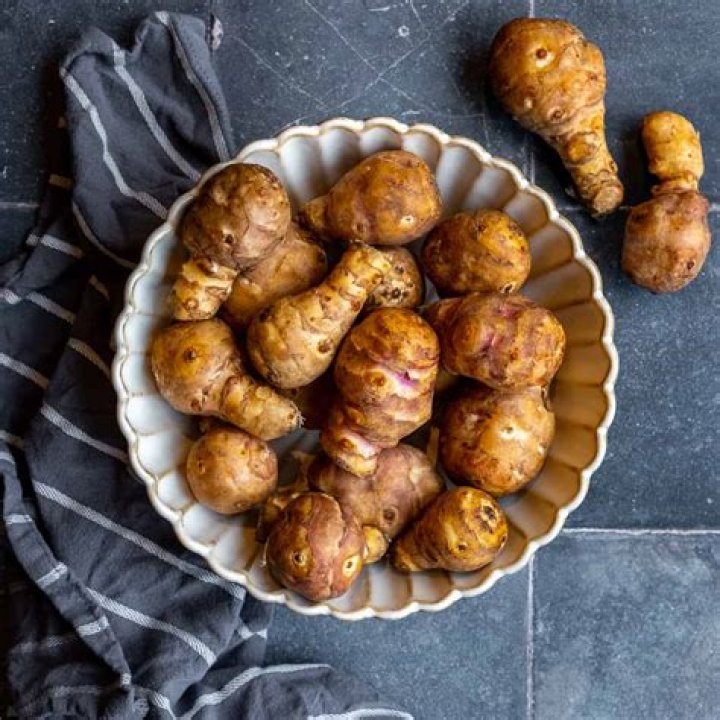
Farmers are attempting to breed out the bumps in newer varieties, so you will find some are less knobby than others. Avoid those with wrinkled skins, soft spots, and blotched green areas or sprouts. Jerusalem artichokes may be eaten raw or cooked.Click to see full answer. Furthermore, can you eat Jerusalem artichokes?Raw: Unlike potatoes, Jerusalem artichokes can be eaten raw. Grated or thinly sliced, they add a bit of crunch and texture to a raw green salad, much like jicama.Secondly, how do I know when to harvest Jerusalem artichokes? Jerusalem artichokes are generally ready for harvest when the leaves die down. If you have the patience you might want to wait for the first frost as tubers harvested after they got hit by the first frost taste sweeter. In my experience the best harvest season is end of september until march. Also to know, do you have to peel Jerusalem artichokes? Just scrub them clean – there’s no need to peel them (should you wish to, a teaspoon works well). If you do peel them, drop them into acidulated water until you’re ready to use them because the flesh discolours quickly. Keep an eye on them while cooking as they can turn to mush quite quickly.What is the best way to store Jerusalem artichokes?Place them in plastic bags or in a container of damp sand in a cold root cellar or basement. At 32°F and high humidity, tubers will store for 2 to 5 months. Sunchokes stored in the refrigerator in a perforated plastic bag will keep for about 10 days. Tubers of the Jerusalem artichoke do not store as well as potatoes.