Can an oil burner emit carbon monoxide?
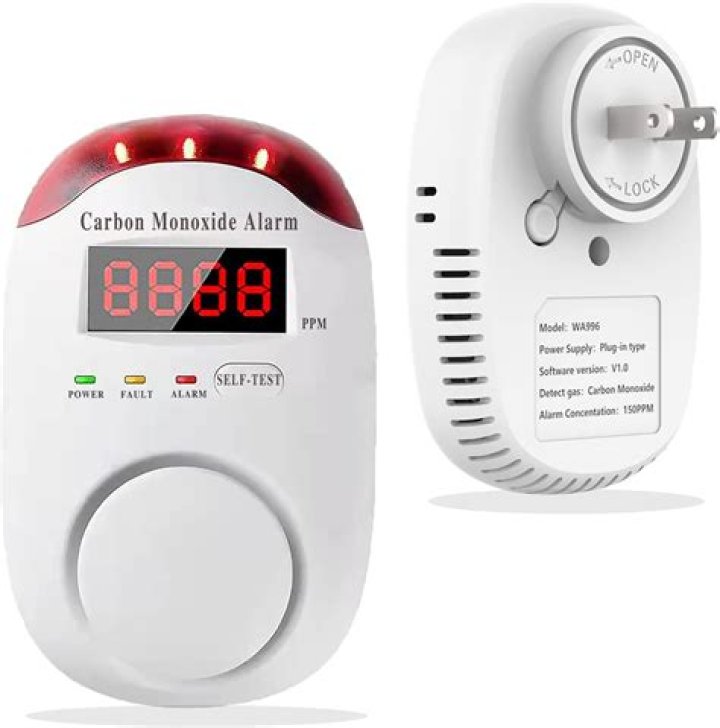
Carbon monoxide can come from oil or gas, but if the oil burner goes out of whack it will produce smoke, a warning to the occupants, while the gas burner will produce only the colorless, odorless carbon monoxide.Click to see full answer. Likewise, people ask, can you get carbon monoxide poisoning from an oil boiler?Carbon monoxide is a highly poisonous gas and is produced by the incomplete burning of fuels including gas, oil, wood and coal. It’s not just gas-burning products that pose a carbon monoxide risk. Any appliance that burns fuel can produce carbon monoxide, including heaters, oil-fired boilers and fires. do fuel oil furnaces produce carbon monoxide? A properly maintained gas or oil fired furnace is designed to burn the fuel with a very high efficiency that produces carbon monoxide as a byproduct of the burnt gases. That carbon monoxide is vented through the flue system and dispersed to the outside air where it becomes so diluted that it will do no harm. In respect to this, are fumes from oil boilers dangerous? Fumes. If you smell oil, it generally means your system requires maintenance. The fumes can be dangerous and may signal a crack or misalignment in your oil burner. Fumes you cannot smell like carbon monoxide are even more dangerous.What fumes do oil boilers give off?Carbon monoxide is usually associated with gas appliances, but your oil fired appliances can also produce carbon monoxide if not properly installed or maintained.